What to Wear to a Job Interview in Kenya (Without Overspending)
KaziKit · 16 June 2026
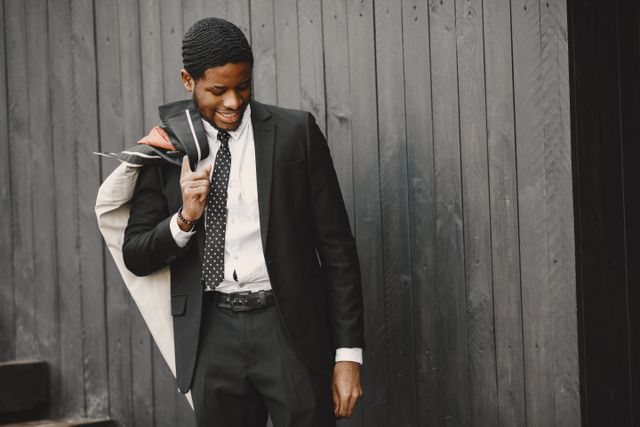
First impressions are formed in seconds
Before you say a word in an interview, your appearance has already told the panel something. The goal is not to look expensive — it is to look prepared, respectful of the opportunity, and like someone who already belongs in that workplace.
Research the company culture first
A bank, a government office, and a tech startup do not expect the same dress code. Look at the company's website, LinkedIn, or Instagram for photos of staff at work. If you are unsure, it is always safer to be slightly more formal than the workplace norm than less.
For corporate, banking, and government roles
A well-fitted dark suit (navy, charcoal, or black) is the safest choice. A plain shirt or blouse in white or a light, neutral colour pairs with almost anything. Keep ties and accessories simple — a single watch and minimal jewellery read as confident, not flashy. Closed shoes, polished, in black or brown.
For NGOs, media, and startups
Business casual is usually the right register: a smart blouse or shirt with tailored trousers or a knee-length skirt, or a blazer over a simple top without a full suit. You want to look put-together without looking stiff — these workplaces often value approachability as much as polish.
Budget-friendly ways to dress well
- A well-fitted Gikomba or mitumba find often looks sharper than an ill-fitting new outfit — fit matters more than price.
- Build a small capsule: one blazer, two shirts, one pair of trousers, one pair of closed shoes. These four pieces combine into several different interview-ready outfits.
- Borrow a blazer or formal piece from a friend or family member for the day if needed — nobody can tell, and nobody is checking.
- Iron everything the night before. A creased outfit undoes an otherwise good choice in seconds.
Grooming matters as much as clothing
Clean, trimmed nails, neat hair, and fresh breath say as much about preparation as your outfit does. Avoid strong perfume or cologne — interview rooms are often small, and a strong scent can be distracting rather than impressive.
What to avoid
Strong patterns, very short skirts or tight fits, sneakers (unless the company is explicitly casual), and anything visibly worn out or stained. When genuinely unsure, plain and tidy will never work against you.
The real goal
Dressing well removes one more thing to worry about, so you can focus fully on your answers. Once you have decided what to wear, spend the rest of your preparation time on the questions you are likely to be asked — that is what actually wins the role.